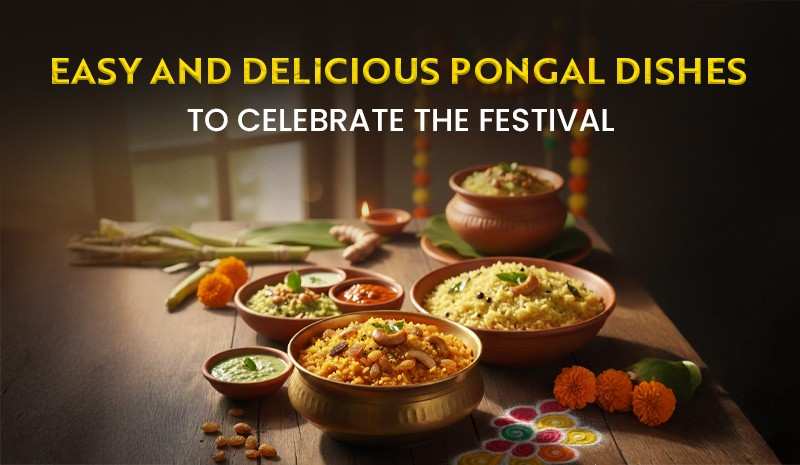
Pongal is one of the most significant harvest festivals in India. The festival marks the beginning of the Tamil month Thai, which is considered highly auspicious. The festival usually falls between January 14 and January 17, depending on the solar calendar, making it one of the few Indian festivals that follow the Sun’s movement rather than the lunar cycle.
Pongal is celebrated most prominently in Tamil Nadu. It is also observed in parts of Andhra Pradesh, Telangana, Karnataka, and Kerala, often under different names and with regional variations. And of course, no Pongal celebration is complete without delicious food. With so many dishes to consider and our busy daily lives, it helps to have recipes that are simple, quick, and full of flavor.
If you’re wondering what to cook this Pongal, you’ve come to the right place. In this blog, we’ve compiled a list of simple and flavorful Pongal recipes that you can easily make at home and share with your loved ones.
Save More With GrabOn
To make your celebrations even better, you can check out our Pongal offers page to find discounts on your Pongal shopping, from festive groceries and sweets to decorations and gifts. This way, you can enjoy the festival to the fullest without worrying about extra expenses.
Some Special Pongal Recipes To Try In 2026
Here are some special Pongal recipes that are easy to make, full of flavor, and perfect for celebrating the festival with your loved ones.
Sweets for Pongal Festival
- Chakkara Pongal
- Unniyappam
- Poornam Boorelu
- Rava Ladoo
- Sabudana Payasam
- Mysore Pak
- Bobbatlu
- Semiya Payasam
Savory Dishes and Snacks for Pongal Festival
- Ven Pongal
- Rava Pongal
- Tamarind Rice
- Curd Rice
- Murukku
- Traditional Sambar
- Dal Vada
- Ribbon Pakoda
- Kara Boondi
- Bisi Bele Bath
- Medu Vada
- Omapodi
Chakkara Pongal
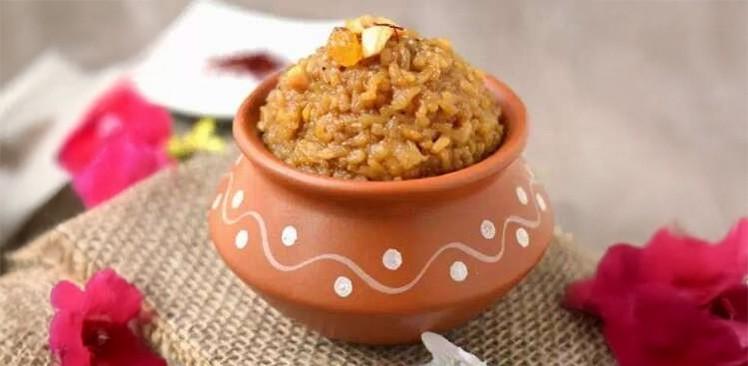
Chakkara Pongal is the quintessential sweet dish of Pongal. Made with rice, moong dal, jaggery, ghee, and cardamom, it is cooked until it becomes creamy and fragrant. Cashews and raisins are added for texture and richness. This dish is significant because it is offered to the Sun God as a symbol of gratitude for a good harvest. Eating Chakkara Pongal with family brings joy and symbolizes prosperity and abundance. Its sweet, aromatic flavor is a festival favorite.
Unniyappam
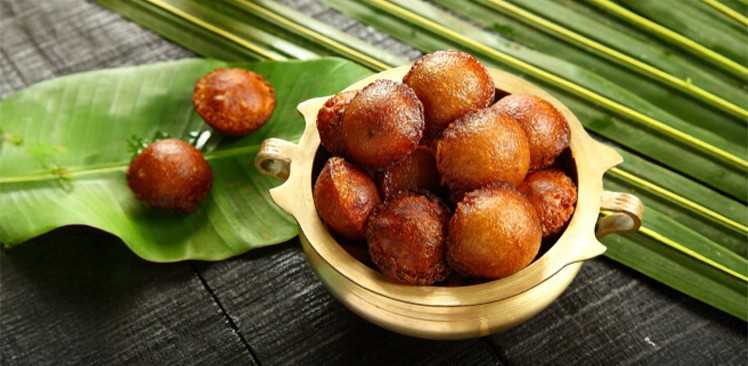
Unniyappam are small, round, deep-fried fritters made from rice flour, jaggery, coconut, and cardamom. Crispy on the outside and soft inside, these treats are a festive favorite, especially in Kerala. It is ideal as a snack, dessert, or prasadam during the festival.
Poornam Boorelu
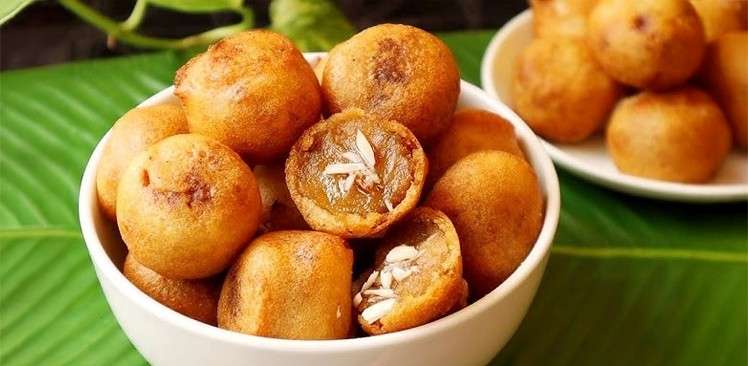
Poornam Boorelu are deep-fried sweet dumplings made from rice flour with a stuffing of chana dal and jaggery. Golden and crunchy on the outside, and sweet and soft inside, these dumplings are considered auspicious offerings during Pongal. They signify prosperity and abundance, often prepared in large quantities to share with family and friends.
Rava Ladoo
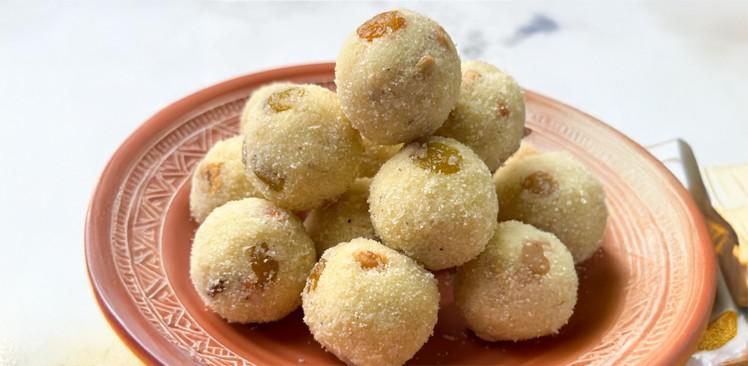
Rava Ladoo is a simple sweet made with roasted semolina, ghee, sugar, and chopped nuts. These round, bite-sized sweets are easy to prepare and store, making them perfect for festivals. Unlike other sweets that require long preparation, Rava Ladoo can be made quickly, yet it maintains a rich taste and festive appeal. Rava Ladoo has a slightly grainy texture from semolina but melts in the mouth with every bite, offering a perfect balance of sweetness and richness from ghee.
Sabudana Payasam
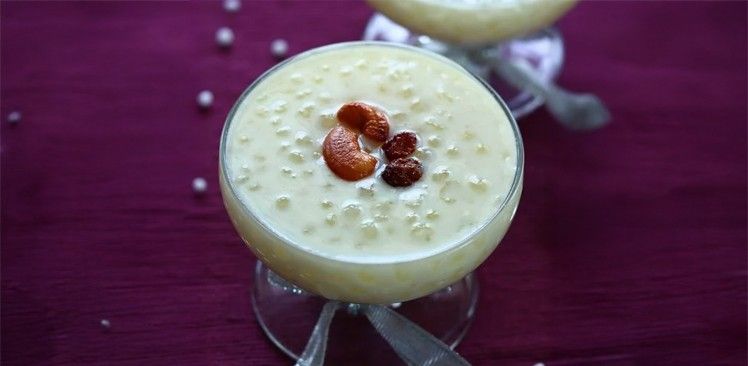
Sabudana Payasam is a traditional South Indian sweet pudding that is often prepared during festivals like Pongal, Diwali, and Navaratri. This dessert is made by cooking sabudana pearls in milk, sweetened with jaggery or sugar, and flavored with cardamom, saffron, and sometimes a touch of ghee. Roasted cashews and raisins are added for richness and texture. The result is a creamy, mildly sweet, and aromatic pudding with a delicate, melt-in-the-mouth texture.
Mysore Pak
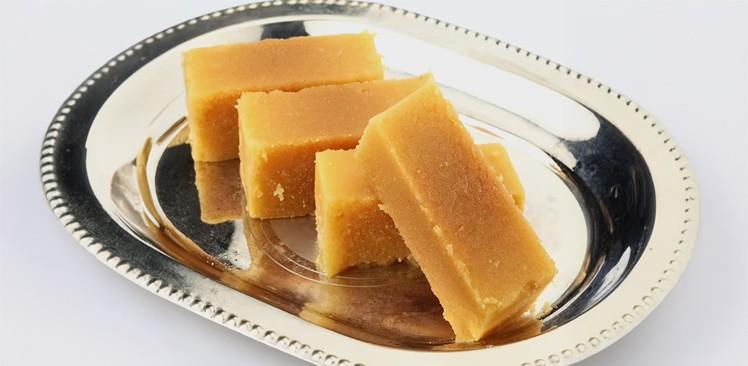
Mysore Pak is one of the most celebrated South Indian sweets, widely loved during festivals like Pongal. It is made using gram flour (besan), ghee, and sugar, cooked carefully to achieve a rich, melt-in-the-mouth texture. The balance of these ingredients creates a soft, slightly crumbly sweet with a luxurious aroma of ghee, making it a true indulgence. Mysore Pak is also admired for the skill and patience required in its preparation, as the consistency of the mixture must be perfect to achieve the ideal soft yet firm texture.
Bobbatlu
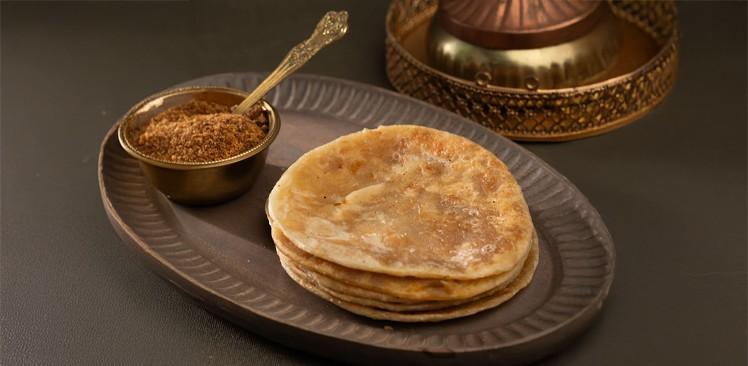
Bobbatlu (also known as Puran Poli) is a traditional sweet flatbread that is extremely popular in South Indian states like Karnataka, Andhra Pradesh, and Tamil Nadu, especially during festivals like Pongal. It consists of a soft, thin wheat flour dough stuffed with a sweet filling made from chana dal (split Bengal gram) and jaggery, flavored with cardamom. The flatbreads are then lightly cooked on a griddle with ghee until golden and slightly crisp.
Semiya Payasam
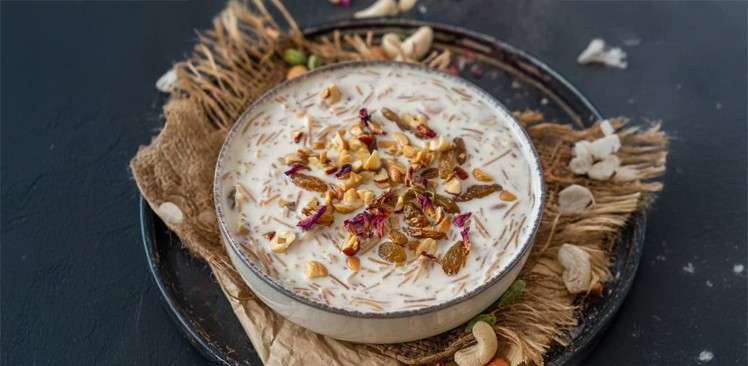
Semiya Payasam is a classic South Indian dessert that is commonly prepared during festivals like Pongal, Onam, and other auspicious occasions. Semiya (vermicelli) is first roasted in ghee, which gives the dish a rich aroma, and then cooked slowly in milk until soft and creamy. It is sweetened with sugar or jaggery and flavored with cardamom, while cashews and raisins roasted in ghee add a delightful crunch.
Coconut Ladoo
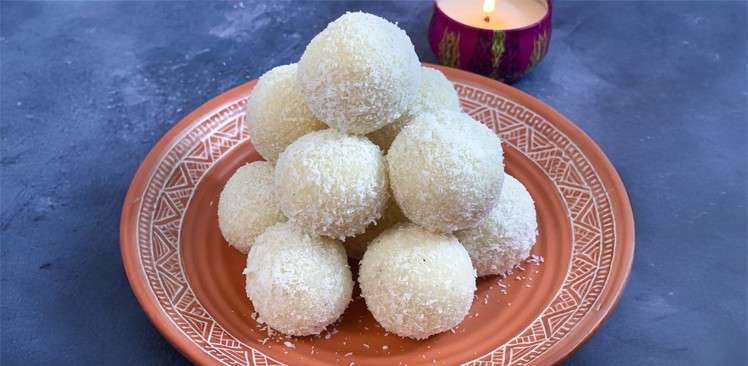
Coconut Ladoo is a simple and traditional Indian sweet that is often prepared during festivals like Pongal. Prepared using grated coconut, this sweet is blended with condensed milk or sugar and delicately scented with cardamom. The mixture is lightly cooked and rolled into soft, bite-sized ladoos. Some variations include nuts for added richness, giving the ladoos a gentle crunch along with their natural sweetness.
Savory Dishes and Snacks for Pongal Festival
Ven Pongal
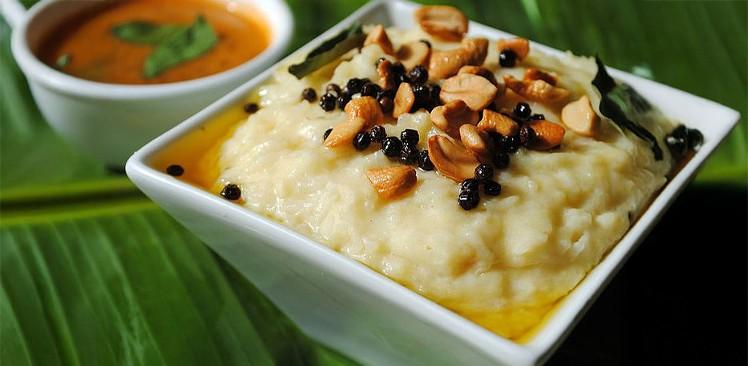
Ven Pongal is a classic South Indian comfort dish that holds a special place during the Pongal festival. It is a savory preparation made using rice and moong dal, cooked together until soft and creamy. What makes Ven Pongal truly flavorful is its tempering of ghee, black pepper, cumin seeds, ginger, curry leaves, and cashews, which gives the dish its warm aroma and rich taste. This dish is known for its simple ingredients and soothing texture, making it easy to digest and suitable for all age groups. During the Pongal festival, Ven Pongal is often prepared in the morning and offered as prasadam, symbolizing nourishment, humility, and gratitude for the harvest.
Rava Pongal
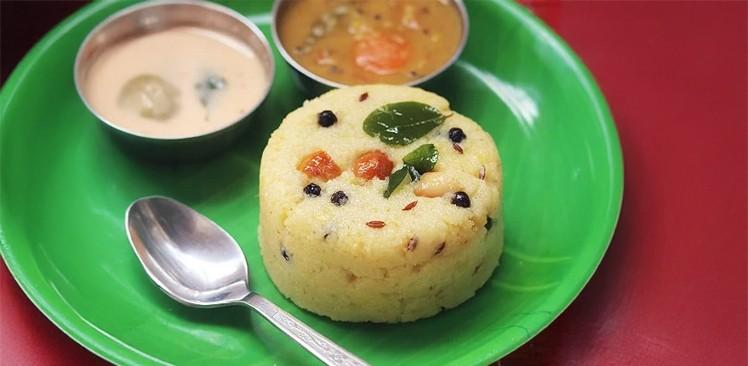
Rava Pongal is a quick and easy variation of traditional Pongal made using semolina (rava) instead of rice. It is flavored with ghee, cashews, curry leaves, black pepper, and ginger. This dish is popular among busy households as it cooks faster but retains the festive flavor. Rava Pongal is best enjoyed hot and is commonly served with coconut chutney, sambar, or a drizzle of ghee. Whether made for a festival meal or a regular breakfast, Rava Pongal is a great option.
Tamarind Rice (Puliyodarai)
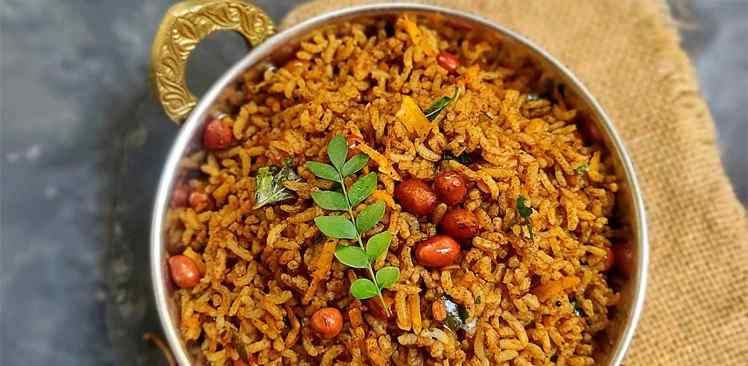
Tamarind Rice, also known as Puliyodarai or Pulihora, is a flavorful South Indian rice dish that is commonly prepared during festivals like Pongal. It is made by mixing cooked rice with a tangy tamarind paste, jaggery, and a blend of aromatic spices. The dish gets its distinct taste from ingredients like tamarind, mustard seeds, curry leaves, peanuts, dry red chilies, and spices, which together create a perfect balance of sour, spicy, and mildly sweet flavors. It pairs well with papad, curd, or coconut chutney.
Curd Rice
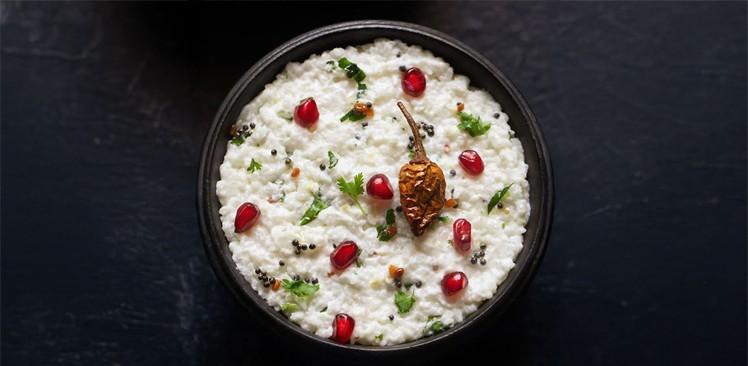
Curd Rice is a comforting dish made by mixing cooked rice with fresh yogurt and tempered with mustard seeds, curry leaves, green chilies, and ginger. It is usually served at the end of the festive meal. Its main significance lies in its cooling nature, which helps balance the rich, spicy, and sweet dishes served earlier. It pairs well with pickle, papad, or a simple vegetable curry.
Murukku
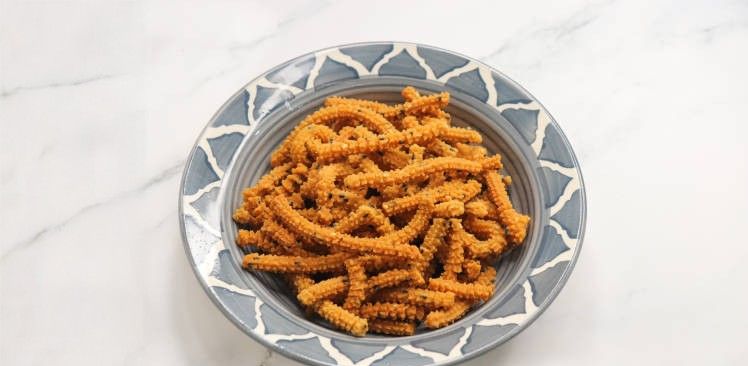
Murukku is a crispy, spiral-shaped snack made from rice flour and urad dal flour, often flavored with sesame seeds, cumin, and a pinch of salt. It is deep-fried until golden brown and crunchy. Its long shelf life also allows it to be prepared in advance, so families can enjoy it throughout the festival without any hassle. Its crunchy texture and savory flavor make it a perfect snack for tea time.
Traditional Sambar
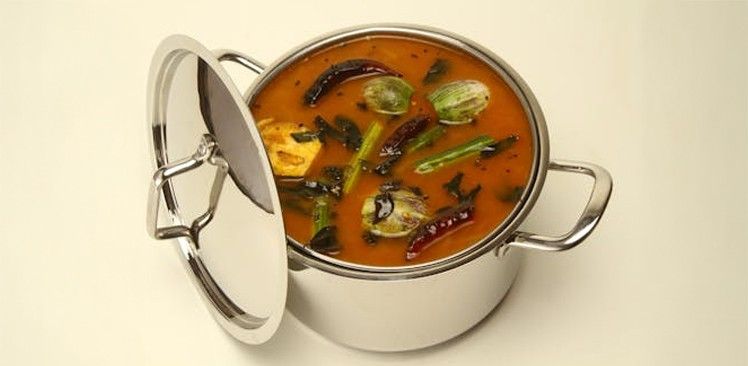
Sambar is a hearty lentil stew made from toor dal (pigeon peas), tamarind, vegetables, and a unique blend of spices. During Pongal, sambar is served with rice, idlis, or dosas. It is significant because it represents nourishment, balance, and the importance of grains and lentils in South Indian cuisine. Its rich, balanced flavors enhance every dish it accompanies, making it a central part of the Pongal celebration.
Dal Vada
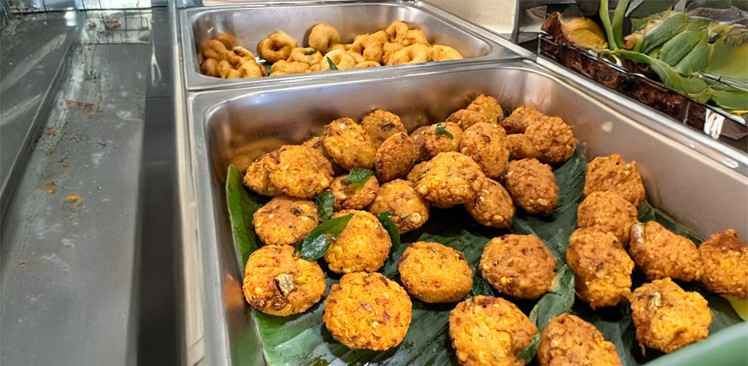
Dal Vada are crispy lentil fritters made from soaked and ground chana dal or toor dal, mixed with green chilies, ginger, curry leaves, and spices, then deep-fried to golden perfection. They are often served with chutney or sambar. Dal Vada symbolizes hospitality and the joy of sharing, as these fritters are frequently prepared for guests during festivals. Their crunchy exterior and soft interior make them a delightful snack that everyone enjoys.
Ribbon Pakoda
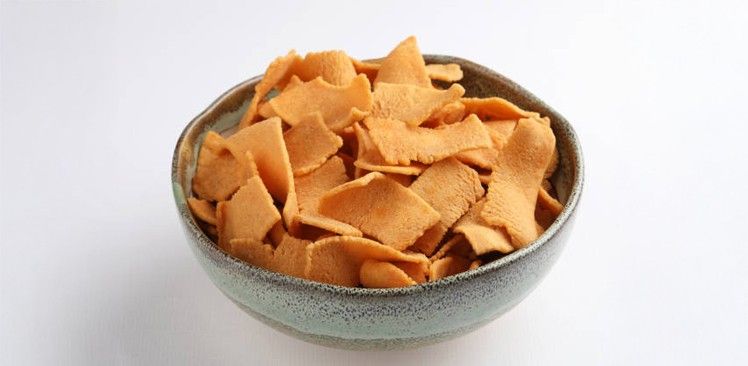
Ribbon Pakoda is a crispy, ribbon-shaped snack made from rice flour, gram flour, chili powder, and sesame seeds. It is deep-fried in oil until golden and crunchy. This snack is significant during Pongal because it is easy to prepare in large quantities, making it ideal for festive occasions. Ribbon Pakoda is loved by both children and adults, and it adds variety, crunch, and flavor to the festival’s savory offerings.
Kara Boondi
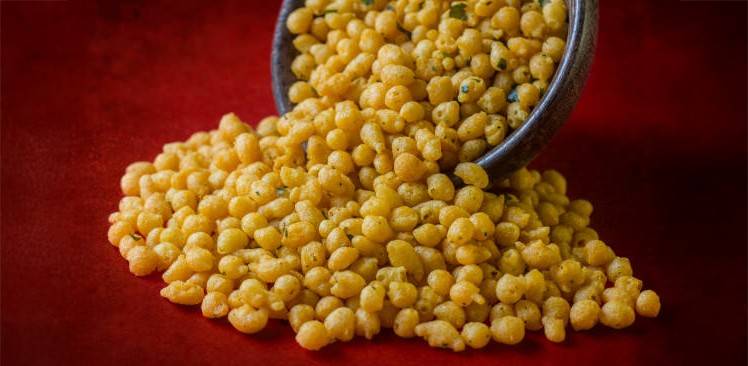
Kara Boondi consists of tiny, crispy gram flour balls seasoned with spices like chili and turmeric. It is commonly eaten as a snack or served alongside meals during festivals. The batter is poured through a perforated ladle into hot oil, forming tiny, round droplets that are deep-fried until crisp and golden. The result is a light, crunchy snack with a mildly spicy flavor that can be enjoyed on its own or as a side with other dishes.
Bisi Bele Bath
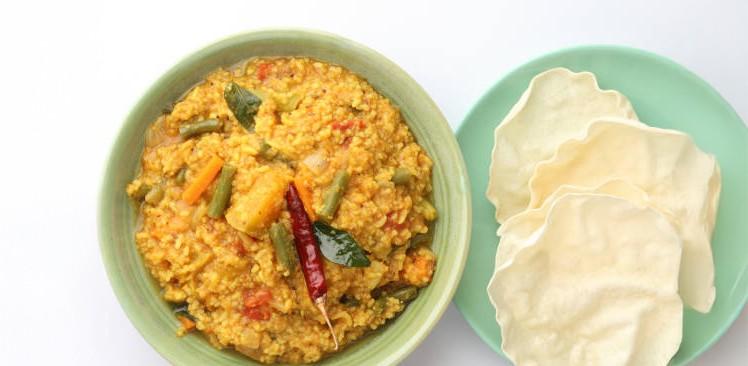
This dish is made from rice, toor dal (pigeon peas), tamarind, and a special spice blend called Bisi Bele Bath powder, which typically includes coriander, dry red chilies, cumin, fenugreek, and asafoetida. Vegetables such as carrots, beans, and drumsticks are often added, enhancing both flavor and nutrition. The ingredients are cooked together to form a thick, aromatic, and flavorful porridge-like consistency, perfectly balanced with tangy, spicy, and savory notes. Its rich taste, comforting texture, and cultural significance make it a festival favorite.
Medu Vada
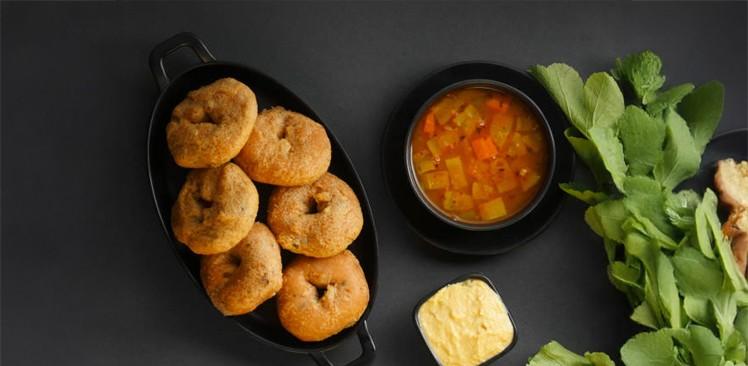
Medu Vada are doughnut-shaped fritters made from urad dal batter, deep-fried until golden and crispy on the outside, while soft and fluffy inside. They are typically served with sambar or coconut chutney. Its golden-brown appearance and aromatic taste make it not only delicious but also visually appealing on the festive table. Their iconic shape and delicious taste make them a must-have for Pongal breakfasts or celebratory meals.
Omapodi
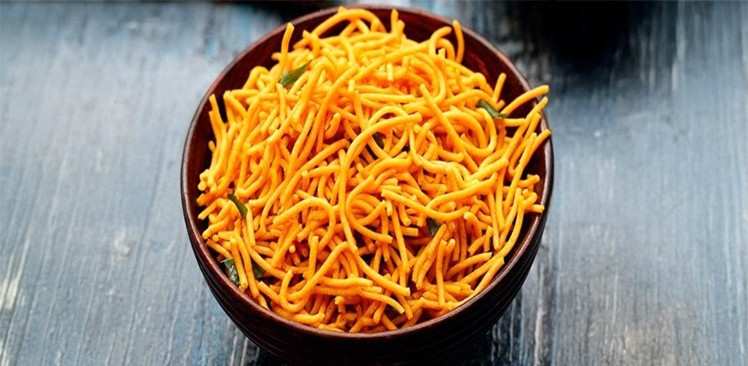
Omapodi consists of thin, crunchy strands made from gram flour and flavored with carom seeds (ajwain). Light, crisp, and aromatic, Omapodi is ideal for tea-time or as a festive snack. Omapodi is typically enjoyed on its own or with tea or coffee. Its crunchy texture, light taste, and long shelf life make it perfect for festivals, gifting, or simply snacking throughout the day.
Wrapping Up…
The Pongal dishes highlighted above provide a delightful culinary experience that truly captures the spirit of this cherished festival. From the savory Ven Pongal to the sweet Kesari, these recipes cater to all taste preferences. With just a handful of ingredients and straightforward preparation, they ensure that the joy of Pongal reaches beyond the celebrations and finds its way into the heart of every home.
